3 Consumer Facing Apps on Hedera That Could Drive Real Adoption
For years, most blockchain platforms have struggled with the same problem. Plenty of technical innovation, but very little real world usage by everyday people. Hedera Hashgraph is starting to break that pattern.
Rather than focusing only on wallets, DeFi, or speculative tokens, Hedera is increasingly becoming the infrastructure layer for consumer facing applications that people actually want to use. Messaging, music, events, and entertainment are areas where blockchain can add value without forcing users to understand crypto at all.
If Hedera is going to achieve meaningful adoption at scale, it will come from applications like these.
Here are three of the most promising consumer facing apps being built on Hedera today. Each one targets a mainstream audience, solves a real problem, and has the potential to generate sustained usage on the Hedera network.
MINGO
An Access Layer for Live and Digital Experiences
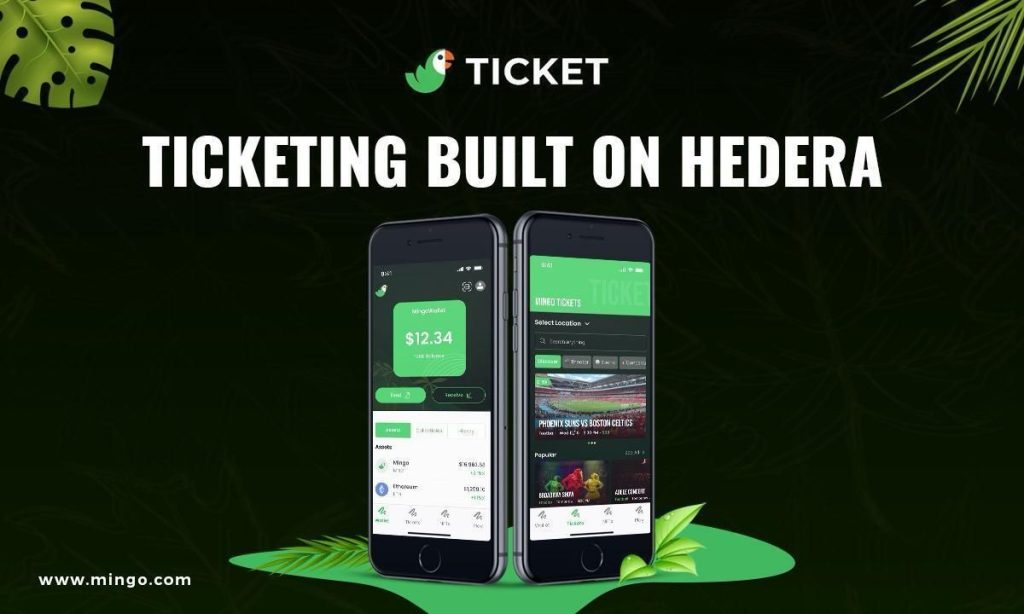
MINGO is one of the strongest examples of how blockchain can support consumer experiences without becoming the focus of the product itself. Rather than positioning itself as a Web3 app, MINGO acts as an access layer that connects people to events, games, and digital experiences in a way that feels familiar and intuitive.
At its core, MINGO is about participation. Users come to MINGO to access live events, engage with digital content, and interact around shared experiences. Tickets, passes, rewards, and game access are all delivered through a single interface designed for everyday users, not crypto natives.
Hedera operates quietly underneath this experience. MINGO uses Hedera to issue and manage digital access assets, including event tickets and experience passes, in a way that is verifiable, secure, and scalable. For users, this simply means their ticket works, their access is guaranteed, and their digital items are always available when needed.
One of MINGO’s most compelling use cases is live event ticketing. Tickets are issued as digital assets that can be transferred, redeemed, and verified without friction. This reduces fraud, gives organisers better control over distribution, and creates new ways to reward fans before, during, and after an event. From the user’s perspective, it feels no different from accessing a ticket in a standard app. The complexity stays hidden.
MINGO also extends into gaming and interactive digital experiences, where access, rewards, and progression are tied to user participation rather than speculation. These interactions generate repeat usage rather than one time activity, which is critical for real network adoption.
What makes MINGO important for Hedera is not any single feature, but the behavior it enables. Users return because they are attending events, unlocking experiences, or participating in games. Each of those actions creates real activity on the Hedera network without requiring users to understand wallets, tokens, or blockchain mechanics.
This is how consumer adoption actually happens. Not by teaching people about Web3, but by making access to experiences easier, more reliable, and more engaging.
MINGO is one of the most promising consumer facing apps on Hedera
JAM by Tune.fm
Music Streaming That Pays Artists in Real Time
Tune.fm and its JAM token represent one of the most compelling creator economy use cases on Hedera.
The traditional music streaming industry is broken for artists. Payments are slow, opaque, and heavily intermediated. Many musicians wait months or even years to receive royalties that amount to fractions of a cent per play.
Tune.fm uses Hedera to change that model completely.
Listeners stream music as normal. Behind the scenes, Hedera enables real time micropayments to artists for every second of music played. Instead of delayed royalty statements, artists are paid instantly. Instead of complex accounting, value flows directly.
This is only possible because Hedera supports high throughput and extremely low transaction costs. Streaming payments measured in fractions of a cent would be impractical on most blockchains. On Hedera, they are native.
For users, Tune.fm feels like a normal music app. There is no requirement to understand wallets or blockchain mechanics. Fans listen, discover new music, and support artists naturally.
For artists, the incentives are obvious. Better economics, faster payments, and a direct relationship with listeners.
From a network perspective, Tune.fm generates consistent and repeat usage. Every stream, every interaction, and every artist payout is an on chain event. If Tune.fm reaches meaningful scale, it could become one of the largest sources of transaction volume on Hedera.
More importantly, it introduces blockchain to audiences who would never seek it out intentionally. Music fans do not join to use crypto. They join to listen.
Karate Combat
Mainstream Sports Meets Fan Participation
Karate Combat may be the most underestimated consumer adoption story in the Hedera ecosystem.
Unlike many Web3 sports experiments, Karate Combat is not a startup trying to build an audience. It is an existing professional martial arts league with real fighters, live events, and a global fan base.
Hedera powers fan engagement features that operate alongside the sport, not in place of it.
Fans can participate in voting, rewards, and digital ownership experiences that are integrated into broadcasts and live events. These interactions feel like part of the entertainment, not like a crypto product.
The key point is frequency and scale.
Live sports create spikes of engagement that few other consumer apps can match. Thousands or millions of fans interacting at the same time. Each vote, reward, or digital interaction creates real usage on Hedera.
Karate Combat also benefits from being culturally native to digital audiences. Its audience is global, online, and already comfortable with interactive entertainment. Adding digital participation feels natural.
Most fans will never know or care that Hedera is involved. That is exactly why it works.
Blockchain adoption does not require awareness. It requires utility.

Why These Apps Matter for Hedera Adoption
What connects MINGO, JAM, and Karate Combat is not that they are Web3 products, but that they are built around experiences people already care about.
Each platform focuses on a different type of consumer participation.
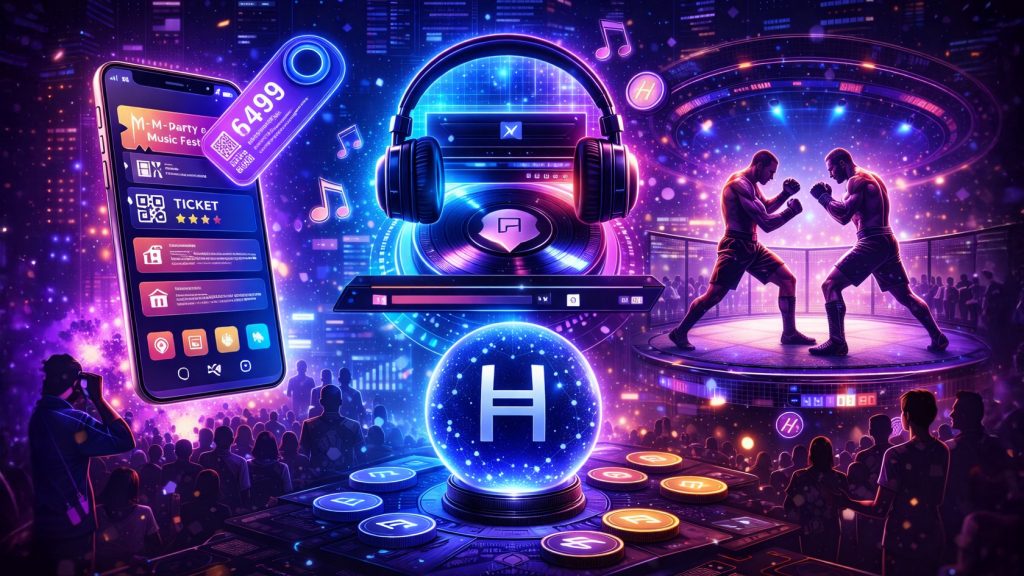
MINGO is about accessing and participating in live and digital experiences, from events and games to exclusive content and community engagement.
JAM is about discovering music and directly supporting artists through listening.
Karate Combat is about watching live sports and engaging as a fan during real world events.
In all three cases, Hedera is not the product. It is the infrastructure that enables scale, integrity, and seamless interaction without forcing users to think about blockchain at all.
Final Thoughts
Consumer facing apps are the real test of any blockchain network. Not whitepapers, not partnerships, but whether normal people keep using products week after week. MINGO, JAM, and Karate Combat represent three different paths to that outcome.
If even one of these reaches mainstream scale, it will do more for Hedera adoption than a dozen technical announcements.
And if several succeed, Hedera’s position as a real world public network becomes very difficult to ignore.