
HBAR Price Is Not Reflecting Real Progress While Hedera Builds Government-Level Infrastructure
Right now, the price of HBAR stands at modest levels compared with where it was earlier in the year. Many traders focus on price charts and short-term swings, but they are missing the larger picture of how the Hedera network is quietly becoming part of real public and institutional infrastructure around the world.
Despite HBAR trading roughly fifty percent below its October highs, the developments happening with Hedera over the past few months suggest something very different from a project struggling or fading away. What we have seen is real adoption at a level most cryptocurrencies never reach and adoption that does not come with immediate price spikes.
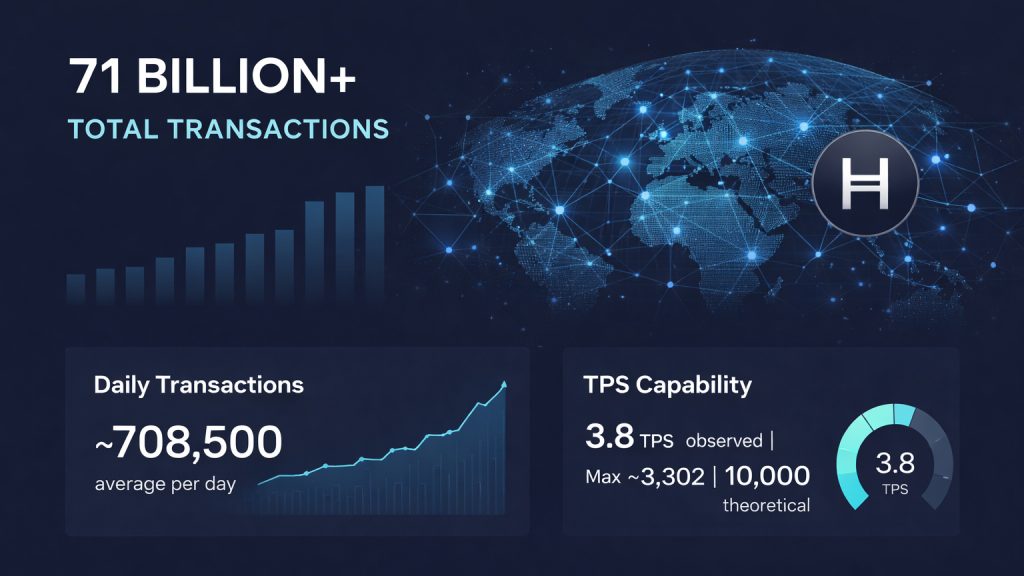
One of the most noteworthy developments came from the state of Wyoming in the United States choosing Hedera as the foundational network for its upcoming state-issued stablecoin initiative. This project is not a speculative pilot aimed at quick profit. It is infrastructure that must meet regulatory requirements, operate reliably for everyday use, and handle real financial transactions in a compliant environment.
At nearly the same time, the CME Group, the world’s largest derivatives exchange, confirmed it would launch regulated pricing data for HBAR. Through CF Benchmarks, the CME will publish real-time and reference rates for Hedera’s native token, giving institutional investors access to reliable, exchange-grade pricing data. This kind of integration into traditional financial infrastructure is significant because institutions rely on transparent, consistent pricing to build risk models, custody solutions, and compliant investment products.
On the other side of the world, the country of Georgia has taken steps toward modernising its public systems by signing a memorandum of understanding with the Hedera network to explore putting its national land registry on-chain. Government officials have discussed transferring data from Georgia’s public property registry onto Hedera’s distributed ledger. The motivation is not speculative or trendy. Officials are looking for ways to improve transparency, reduce fraud, and make property ownership records more secure by embedding them into a tamper-resistant digital system. This exploration could also lead to tokenising real estate assets, turning traditional property records into on-chain assets that can be tracked and managed with greater efficiency.
These developments share a common theme. They are projects rooted in long-term thinking and real-world utility rather than headlines or viral social media posts. Institutions and governments do not adopt technology on a whim. They choose systems that they believe will endure over years or decades. The fact that Hedera is being selected for state financial infrastructure and national land administration speaks to the network’s evolving role beyond speculative narratives.
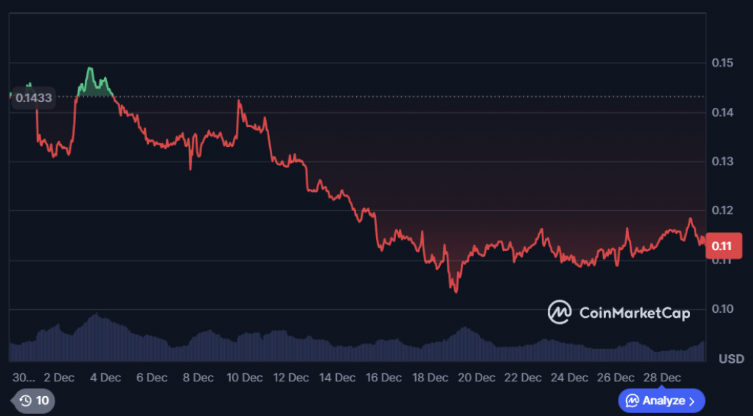
Yet if you look only at the price of HBAR, you might conclude the opposite. Instead of rallying on these announcements, HBAR’s price has remained subdued. In some cases, prices even retraced in the hours after regulatory integrations were announced. Traders who focus on short-term sentiment see selling pressure and low momentum, and that shapes how HBAR is valued in the market today. CoinMarketCap
This disconnect between price and real-world adoption is not unique to Hedera. Infrastructure plays in the traditional financial world do not move at the pace of speculative markets. Building out government systems, institutional data feeds, and regulated stablecoin rails can take months or years, and the immediate impact on token prices can be muted or delayed. In many historic cases in technology and finance, the value of being chosen as a foundational platform only becomes clear long after the initial partnerships are signed.
For HBAR to reflect these developments in its price, adoption will need to move from discussion and pilot stages into full-scale production and everyday use. Stablecoins built on Hedera will need to be widely used, pricing indices will need to underpin actual financial products, and real-world asset registries will need to go live on the network. When these things happen, demand for HBAR as an operational token will grow organically as organisations engage with the network not as a speculative asset but as a piece of essential infrastructure.
For now the fact that the token price has not exploded does not mean that the developments are insignificant. It means that the market has not fully revalued HBAR based on long-term fundamentals yet. Traders often react to momentum and sentiment, not slow, sustainable adoption. Hedera is building quietly and methodically, aligning with institutions that value reliability, compliance, and durability. If these efforts continue to progress, future valuation of HBAR may more closely reflect its real world utility, and not just short-term trader appetite.

In the end, it is important to separate price action from long-term potential. Governments and large institutions do not select a blockchain network for its ability to create viral buzz. They choose networks that can operate under regulatory scrutiny and serve as dependable systems for public infrastructure. Hedera’s recent adoption stories from Wyoming to Georgia highlight a network being positioned for a future where blockchain technology supports everyday financial and administrative functions. Whether the market catches up with this reality will play out over time, but that gap between price and fundamentals itself is an important part of the story today.